British troops burning the white house in 1814.
Nobody needs convincing of the massive damage that fire can cause, but sometimes a fire can be so overwhelming that it changes the course of history.
Here are 6 fires that changed the world.
6. Great Fire of London
2-5 September 1666

St Paul's Cathedral had survived plenty of other London fires, but the fire of 1666 proved too much.
This was one of the most famous fires to ever blaze, but once the final embers had faded city planners chose not to take the opportunity to make radical adjustments to the city. The new buildings were constructed with stone rather than wood, and the narrowest streets were made wider, the London we know and love today is the result of this inferno.
Could the Great Fire of London actually have saved lives by cutting short the spread of the bubonic plague?
Some historians even claim the Great Fire of London may have saved lives in the long-term, as it halted the spread of the bubonic plague, which erupted the previous year. The fire would have burnt down many filthy building that housed the rats and fleas that spread the plague.
The fire was widely regarded as a catholic plot; the fallout from the fire was one of the reasons behind the glorious revolution of the next century and the end of the catholic kings of England.
5. San Francisco Earthquake
18-22 April 1906
The 1906 San Francisco earthquake is one of America's most destructive natural disasters ever suffered. It was the subsequent fire, not the earthquake itself, that caused most of the damage.
A map shows how the fire engulfed one third of the city.
Burst gas mains started more than 30 fires that tore through 490 city blocks and destroyed 25,000 buildings. Attempts to contain the fires were thwarted because many people set fire to their own property since most insurance policies didn't cover earthquake damage.
In the haste to rebuild a city ruined by fire, many experts believe a similar strength earthquake could completely destroy major parts of San Francisco.
A scene from a 2006 drama documentary about the San Francisco earthquake gives some idea of the havoc caused by the fire.
Another effect of the fire's destruction was that thousands of immigrants were able to claim residency and citizenship since City Hall and the Hall of Records were destroyed. Families of immigrants were also able to come to San Francisco, changing the make-up of the population forever, resulting in the super diverse city we know today.
4. The Rotterdam Blitz, WWII
14 May 1940
Germany had long considered capturing the Netherlands a crucial part of its war campaign, not least because the country lay in the way of Great Britain. It was largely thanks to a fire that ravaged the city leaving 85,000 people homeless and thousands of buildings razed that the Dutch were forced to surrender to the Nazis.
The fires started as a result of German air raids (their famous blitzkrieg tactic), which focused on residential areas. The fires that erupted from the combination of hi-explosive and incendiary bombs couldn't be contained and became worse as winds became stronger.
Eventually the city was at the mercy of a firestorm.
St. Lawrence Church stands out in an otherwise barren cityscape.
The devastation in Rotterdam caused by fire undoubtedly convinced the Dutch to immediately surrender. If they had resisted futher, another Dutch city would undoubtedly have crumbled under Nazi flames.
With the Germans free to take control of the Netherlands, almost 140,000 Dutch Jews were put at risk of dying in Nazi concentration camps – the most famous, Anne Frank, was captured in Amsterdam in 1944.
De Verwoeste Stad (the destroyed city) is a sculpture by Ossip Zadkine commemorating the blitzing of Rotterdam.
It's impossible to say how the course of the war might have changed if Rotterdam hadn't been engulfed in flames. We do know, however, that the wreckage caused by the bombing and subsequent fires led the British to change their bombing policy – they would now bomb industrial buildings that aided the German war effort as well as military targets.
It was this policy that was behind the fire bombing of Dresden and, later in the war, the atomic bombings of Nagasaki and Hiroshima.
3. Great Chicago Fire
8-10 October 1871There are many examples of cities being rebuilt after an all-consuming fire, but few cities transformed like Chicago did towards the end of the 19th century.

The fire was initially blamed on a cow knocking over a kerosene lamp.
The fire started in a barn in the south-west of the city but quickly spread into the centre because of strong winds. Conditions conspired against the capital of Illinois to create a conflagration that consumed all but five public buildings within the disaster zone.
Wood was an overused building material in the city, but there had also been a drought making this wood drier, and the city's fire department were exhausted from tackling a major fire the day before.
The Water Tower is one of the only buildings that survived the Great Chicago Fire, and acts as an unofficial monument.
The loss of life was miniscule in comparison to the havoc wreaked on the Chicagoan buildings. In fact, the city witnessed much deadlier fires in 1903 and 1915. The Great Chicago Fire of 1871 is remembered, however, because of how expansive the fire was, and the fact that in the aftermath the city was rebuilt to become America's 'second city'.
2. The Spanish Armada – Beacons and Fireships
19 and 28 July 1588
When the Spanish Armada set sail for England they must have believed they had a fleet with the power to dethrone Elizabeth I. However, once a ship was sighted off the coast of Cornwall on 19 July a trail of fire beacons were lit allowing a message to quickly reach London, alerting Elizabeth of the approaching threat. This gave the English the time they needed to launch a fleet of their own.
English fireships penetrated the Armada's defensive formation.
Fire played another important role during the battle. The English fleet sacrificed eight of its ships on 28 July, setting them alight and pushing them towards the closely grouped Spanish vessels. Although these fireships did not burn any of the enemy Spanish ships, it caused a break in their tight defensive formation, which would ultimately prove decisive.

Elizabeth I was revered after the defeat of the Spanish Armada.
Had the Spanish Armada been successful in its aim the course of English history, and therefore world history, would have been remarkably different. For starters, we wouldn't talk of an Elizabethan Era – we'd probably know it as la era de Felipe.
1. Fire of Moscow
14-18 September 1812
The unsuccessful French invasion of Russia proved to be a decisive turning point in European politics, as it led to Napoleon eventually abdicating and the First French Empire collapsing.
The failure of the invasion was largely caused by the Fire of Moscow, which happened on the very day the French marched into the spiritual capital of Russia. Three quarters of the city had been razed by the time the fire was finally extinguished.
Napoleon and his army are forced to retreat from Moscow as the fire has left them with no shelter or food.
The buildings that had burnt down – food stores and shelters among them – were vital to the French. Without them, Napoleon and his army were forced to retreat. Historians have debated the causes of the fire. Many believe the Russians started it intentionally before fleeing the city, while others suggest the carelessness of French soldiers started the blaze.
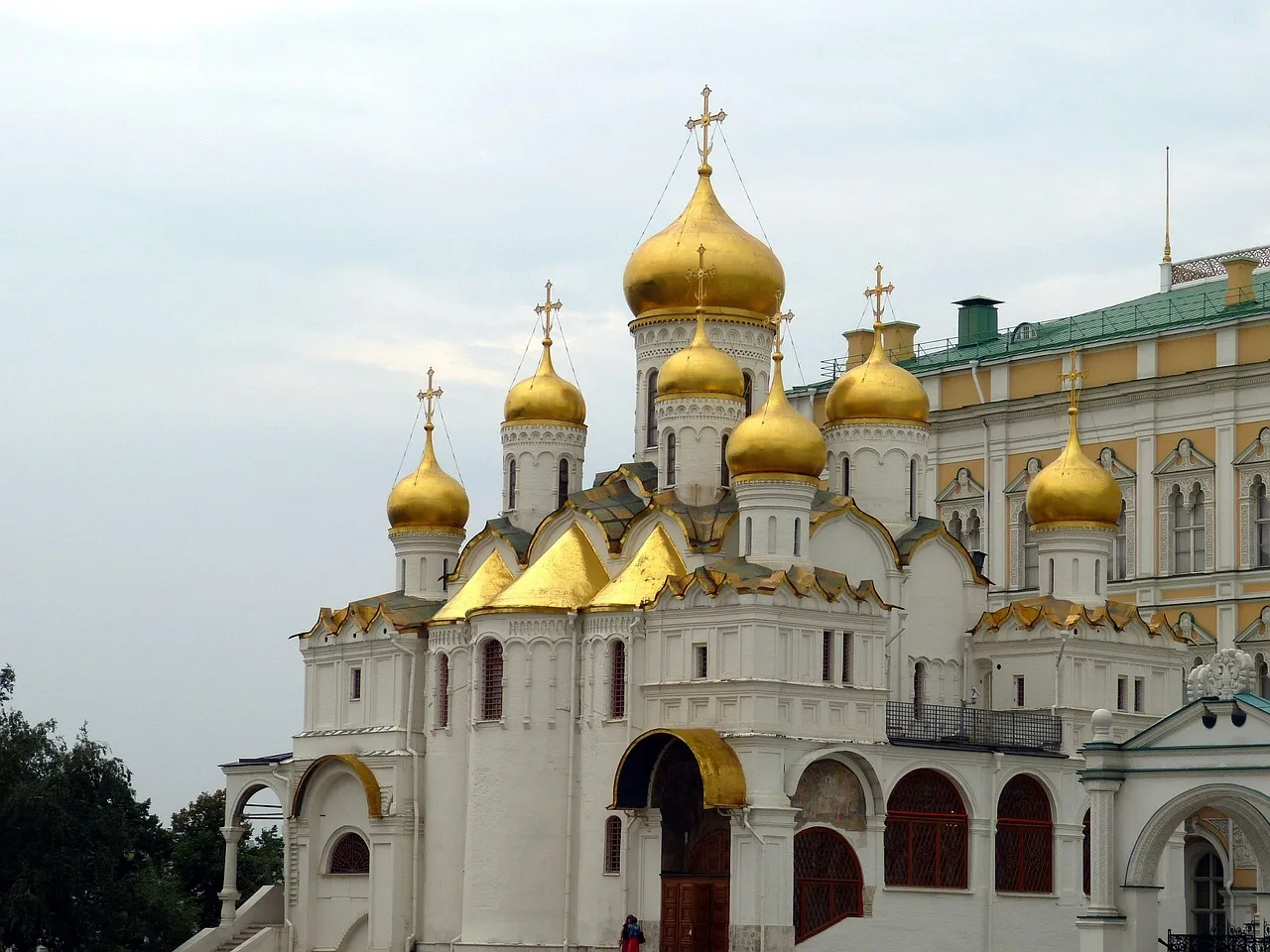
In the epic novel War and Peace Tolstoy suggests the fire was not caused deliberately at all.
While the cause of the fire may be disputed, the significance of its consequences cannot. Had France been successful Napoleon would not have abdicated several years later and French supremacy in Europe would have stretched deep into the 19th century.
Man's relationship with fire has always been a complex and dangerous one. Without fire we'd still be at the level of beasts, but she is a harsh mistress, even the greatest of us can suffer her wrath.

The queen was not amused.